Selling in Wake Forest is as much about timing as it is about pricing and presentation. If you want a faster sale and stronger offers, choosing the right month can make a real difference. You also want a plan that works for your home’s condition, price point, and your timeline.
In this guide, you’ll learn when Wake Forest homes tend to sell best, how new construction nearby can shift your strategy, and what to do in the 3 to 6 months before you list. You’ll also get a simple calendar, a prep checklist, and the key metrics to watch. Let’s dive in.
Best months to sell in Wake Forest
National and regional data point to clear seasonal patterns. According to broad market research from the National Association of REALTORS®, buyer activity typically climbs in spring and again in early fall. In Wake Forest and the Raleigh area, you’ll feel these waves locally.
- The primary window is March to June. This period often delivers more showings, shorter days on market, and stronger offer activity.
- A solid secondary window is September to October. Buyers return from summer with intent, and competition can be lighter than spring.
- The slowest activity usually lands mid-November through February. There are fewer listings and fewer buyers, but motivated shoppers are still out there and inventory is often lower.
Your exact timing should also reflect local supply and what’s happening in your micro‑neighborhood. For current snapshots and neighborhood-level trends, request a Wake Forest report sourced from Triangle MLS.
Spring surge: March to June
Spring brings more listings and even more buyers. If you can complete prep work in January and February, an early spring launch positions you for strong weekend traffic and better odds of multiple offers. Present a move-in-ready look, price with the comps, and use top-tier photos and staging.
Early fall advantage: September to October
Early fall offers serious buyers who want to close before the holidays. You’ll often compete with fewer new listings than in spring. Good curb appeal, clear pricing, and flexible showing times help you stand out.
Winter considerations: November to February
If you need to sell in winter, set expectations and lean on presentation. Online marketing and virtual tours matter more when foot traffic dips. Price with precision, highlight maintenance and energy-efficient features, and target motivated buyers like relocators.
How local supply can shift your timing
Wake Forest has seen steady residential development. When nearby builders release new phases, resale listings may face more competition at certain price points. Before you choose a listing date, check for active permits and upcoming phases using county resources like Wake County’s property and permitting portals. If builder inventory is ramping up, consider listing earlier in spring or waiting for a lighter moment if your schedule allows.
Property type and price point
- Entry-level homes: Often move fastest in spring, when the most buyers are active.
- Move-up homes: Spring and early fall are usually strong, especially for families timing around the school year.
- Luxury homes: Expect a longer runway. Late spring through early fall can work well with more lead time.
- Condos and townhomes: Similar seasonality, though price sensitivity may make summer or fall a good fit if spring competition is heavy.
Your month-by-month game plan
Use this simple calendar to plan the work that sets your listing up for success.
- January to February: Prep and repairs. Declutter, complete minor fixes, gather HOA documents, and schedule staging and photos. If you must list now, price competitively and emphasize your home’s condition and flexibility.
- March to April: Primary listing window. Aim to list early in the window. Host weekend open houses and optimize online presentation.
- May to June: Peak activity continues. Consider a clear offer deadline and be ready to negotiate favorable terms.
- July to August: Still active, though softer than spring. Keep marketing consistent and highlight quick closing options for buyers wanting to move before school starts.
- September to October: Strong secondary window. Lean into fall curb appeal and buyer urgency to settle before winter.
- November to December: Slow season. If you list, target serious buyers with strong visuals and accurate pricing.
A 3 to 6 month prep timeline
A thoughtful plan helps you hit your chosen window with confidence.
- 5 to 6 months out: Choose a target month. Order major repairs that need contractors or permits. Gather estimates for landscaping or exterior refresh.
- 3 to 4 months out: Finish repairs, deep clean, and declutter. Consider a pre-list inspection and compile surveys, warranties, and HOA documents.
- 4 to 6 weeks out: Hire your photographer, stager, and agent. Finalize pricing strategy and schedule your go-live date.
- Listing week: Launch professional photos, digital marketing, and open houses. Monitor showings and feedback and adjust within 2 to 3 weeks if interest is muted.
Who should list now vs. wait
- Consider listing now if you need to close by a specific date, your home needs minimal work, or local months of inventory is low in your price range.
- Consider waiting a few weeks if major builder inventory is about to hit the market nearby or if key repairs and staging would substantially improve your presentation.
Metrics to check before you list
Ask your agent for a short, local data snapshot. Triangle MLS is the best source for accurate Wake Forest stats. Start with:
- Active listings and new listings per week in your micro‑neighborhood
- Pending-to-active ratio to gauge demand pressure
- Median days on market for the last 30 to 90 days
- Months of inventory overall and for your price bracket
- Sale-price-to-list-price ratio for recent comps
- Any new-construction closings and active builder inventory nearby
For property records and local permitting context, visit Wake County Tax Administration. For broader market research and seasonality trends, see NAR Research.
Season-smart pricing and marketing
- Spring: Price to capture traffic and encourage offers. Promote weekend open houses and crisp, daylight photography.
- Summer: Emphasize quick move-in timing and neighborhood conveniences. Offer flexible showing schedules.
- Early fall: Highlight move timing that aligns with the school year. Watch recent comps for any price reductions.
- Winter: Lead with high-quality photos and virtual tours. Consider time-bound incentives if inventory is rising.
Local context that matters in Wake Forest
- School calendar: Many buyers plan around Wake County Public Schools schedules. Listing in spring or early summer can support a closing before the new school year. Verify attendance zones with the district directly.
- Commuter patterns: Job shifts in Raleigh and the Research Triangle can influence demand quickly. Stay alert to major employer announcements.
- Builder activity: Track nearby permits and sales schedules. If a builder is releasing a new phase, adjust your launch or pricing strategy accordingly.
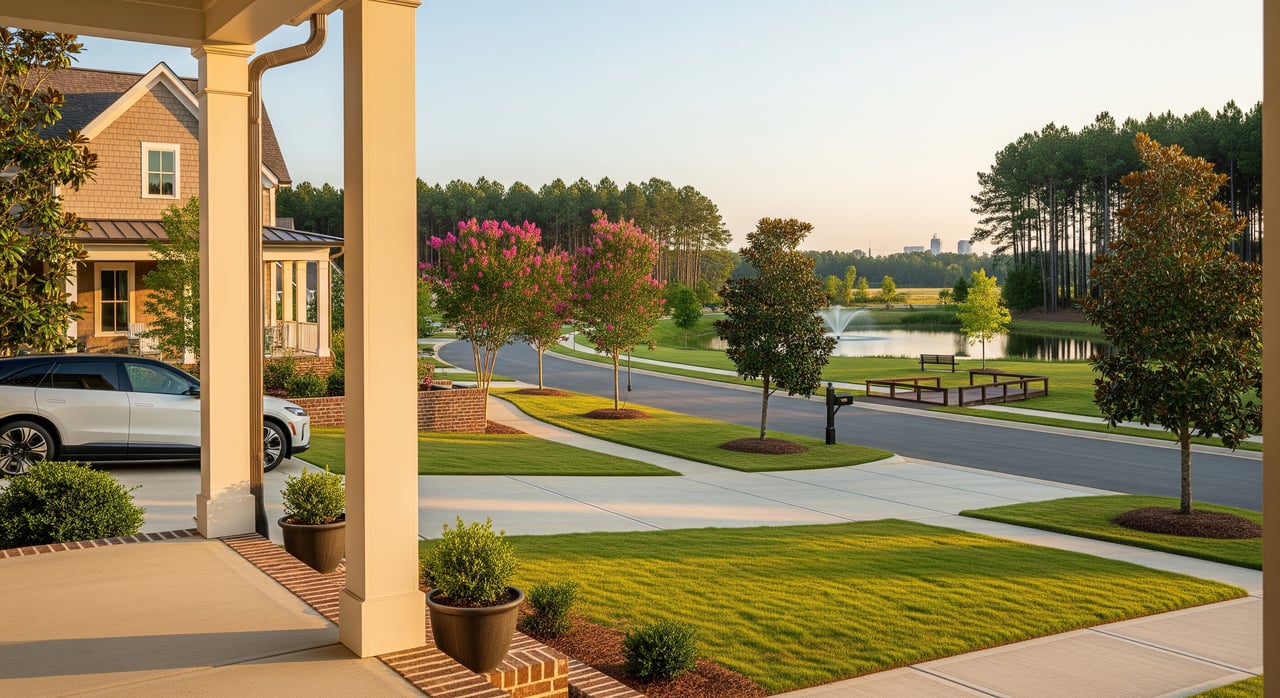
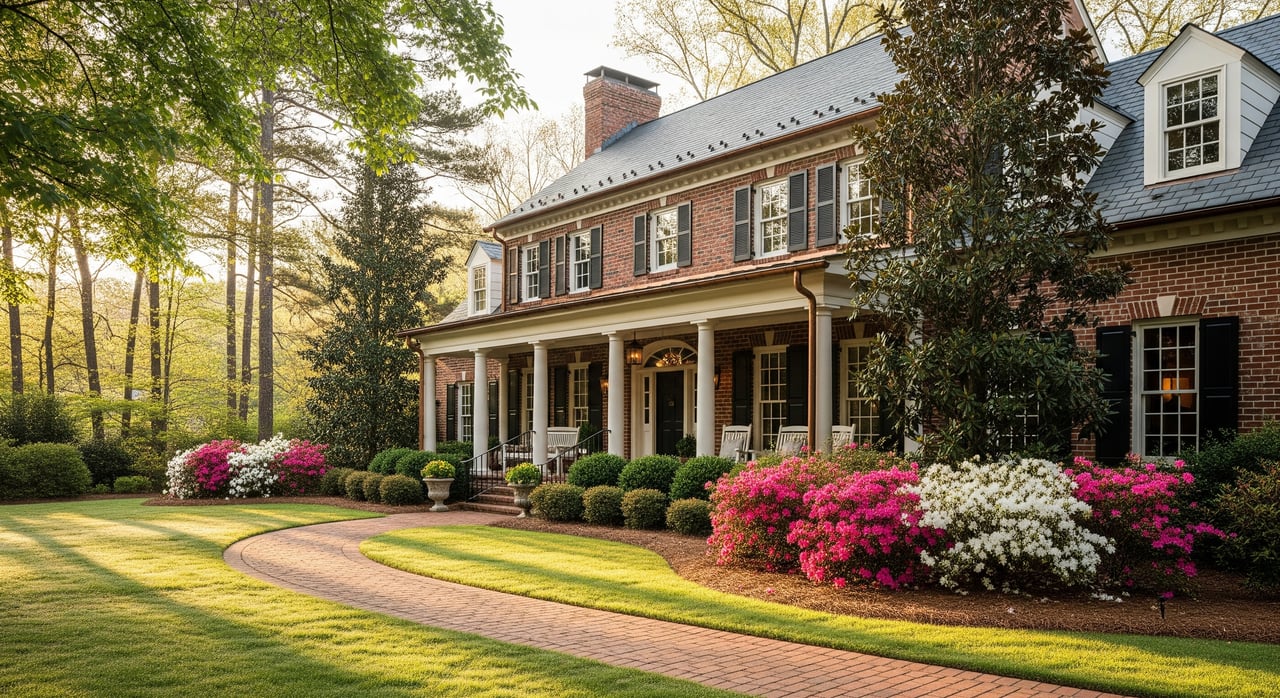
- Curb appeal: Wake Forest shines in spring and fall. A tidy yard, fresh mulch, and clean exterior lines make a clear first impression.
Ready to talk timing?
If you plan to sell in the next 3 to 6 months, the right month and a clear plan will set you up for a smooth sale. Ask for a brief local market snapshot and a pricing-prep call, then choose the window that fits your goals.
Have questions about your best listing month, prep priorities, or how builder activity near you could affect pricing? Reach out to Nook and Nest Realty Co. to get your bearings and map the best path forward.
FAQs
What is the best time to sell a home in Wake Forest?
- Spring, especially March to June, is typically strongest, with a solid secondary window in September to October based on broad market seasonality.
How does new construction in Wake Forest affect resale timing?
- When builders release new phases, competition can rise at certain price points; consider listing earlier in spring or waiting for a lighter period and check county permitting data.
Can I still sell well in winter in Wake Forest?
- Yes, but focus on accurate pricing, standout photos, and virtual tours; winter buyers are often motivated, and inventory can be lower.
What local metrics should I review before choosing a listing month?
- Ask for active vs. pending counts, median days on market, months of inventory by price tier, recent comps, and nearby builder inventory from Triangle MLS.
Do school calendars impact the best month to sell?
- Many buyers plan around the school year, so listing in spring or early summer supports a closing before classes begin; verify school assignments directly with the district.