Working in RTP but torn between Cary and Chapel Hill? You are not alone. When your office sits in Research Triangle Park, the right home base can save you time every day and shape your lifestyle after work. In this guide, you will compare real commute routes, typical drive-time ranges, transit options, and neighborhood vibes so you can choose with confidence. Let’s dive in.
Quick answer: who each town fits
If commute time is your top priority, Cary generally puts you closer to many RTP campuses. Northern and central Cary locations often have quicker access to I-40 and key RTP entrances. If you want a walkable town center, university arts and healthcare, and village-style living, Chapel Hill offers that vibe, though many origins there add a few minutes to the drive.
Both can work well. The best fit depends on which RTP campus you go to, what time you travel, and the neighborhood you choose.
Commute basics: define your RTP
RTP is large and decentralized. Companies often have multiple buildings spread across the park. A commute to north RTP can be very different from a commute to south or west RTP, even if the towns are the same.
Before you compare homes, get specific on four things:
- Your primary RTP building or campus area
- Your typical arrival and departure windows
- Whether your employer offers shuttles, park-and-ride, or flexible hours
- Your tolerance for drive-time variability on I-40 and NC-54
Typical drive-time ranges
These are general bands based on local patterns. Actual times depend on your exact start point, the RTP destination, and traffic conditions.
Cary to central RTP
- 0–15 minutes: Northern and central Cary neighborhoods close to I-40 or the Morrisville border during off-peak periods.
- 15–25 minutes: Many central Cary areas in typical mid-day or modest morning congestion.
- 25–40+ minutes: Farther southwest Cary or during heavy rush-hour or incidents.
Chapel Hill to central RTP
- 20–30 minutes: Nearest Chapel Hill neighborhoods to I-40/NC-54, including Meadowmont and parts of Southern Village, during lighter traffic.
- 25–40 minutes: Downtown Chapel Hill and many Carrboro areas under normal peak conditions.
- 35–50+ minutes: Peripheral Chapel Hill areas during heavy rush-hour, or when your RTP destination sits on the opposite side of the park.
Main routes and traffic patterns
Cary routes toward RTP
- I-40 east/west is the main limited-access corridor from central and northern Cary. Expect peak-hour slowdowns near key RTP interchanges.
- NC-55 and US-1 serve some neighborhoods and can be practical alternates depending on your origin.
- Local connectors like Morrisville Parkway, Davis Drive in Morrisville, and Park Center Drive feed directly into RTP’s internal network.
Chapel Hill routes toward RTP
- US-15/501 north to I-40 east is common from central or southern Chapel Hill.
- NC-54 east into Durham and then north toward RTP is frequently used from central Chapel Hill and Southern Village. Segments with signals can slow at peak times.
- Local connectors such as Estes Drive, Old Mason Farm Road, and Meadowmont Lane provide access to I-40 and NC-54.
When traffic is heaviest
- Morning rush is typically 7:00–9:30 AM heading into RTP. Evening rush is 4:00–6:30 PM leaving RTP.
- I-40 bottlenecks near RTP interchanges are the main pinch points. NC-54 can also back up where signals and commuter flows converge.
- Off-peak and weekends are much lighter. Friday evenings and Saturday mid-day can still mean localized delays near shopping and entertainment.
- Crashes or construction on I-40 can shift large volumes to local arterials and create outsized delays. If you can flex your start and end times, you can avoid the worst of it.
Transit, shuttles, and alternatives
- Regional bus: GoTriangle operates routes that connect Cary, Chapel Hill, and RTP. Many trips involve a transfer from local systems to regional service.
- Local systems: GoCary and Chapel Hill Transit provide local connectivity. Chapel Hill Transit offers fare-free service within Chapel Hill and Carrboro, with links to regional transfers.
- Park-and-ride and employer shuttles: RTP has several park-and-ride options, and many employers manage shuttles from transit hubs or dedicated lots. This is a good way to reduce parking stress near campus buildings.
- Carpool and vanpool: Common across RTP and sometimes subsidized by employers or regional programs.
- Biking: Feasible from neighborhoods adjacent to RTP or linked by greenways. Many RTP employers provide bike parking and showers. Longer distances are less practical by bike for most commuters.
- Longer-term projects: Regional rail and light-rail concepts have been discussed, but as of mid-2024 there is no commuter rail linking Chapel Hill, RTP, and Cary in operation.
Housing and lifestyle snapshot
Cary overview
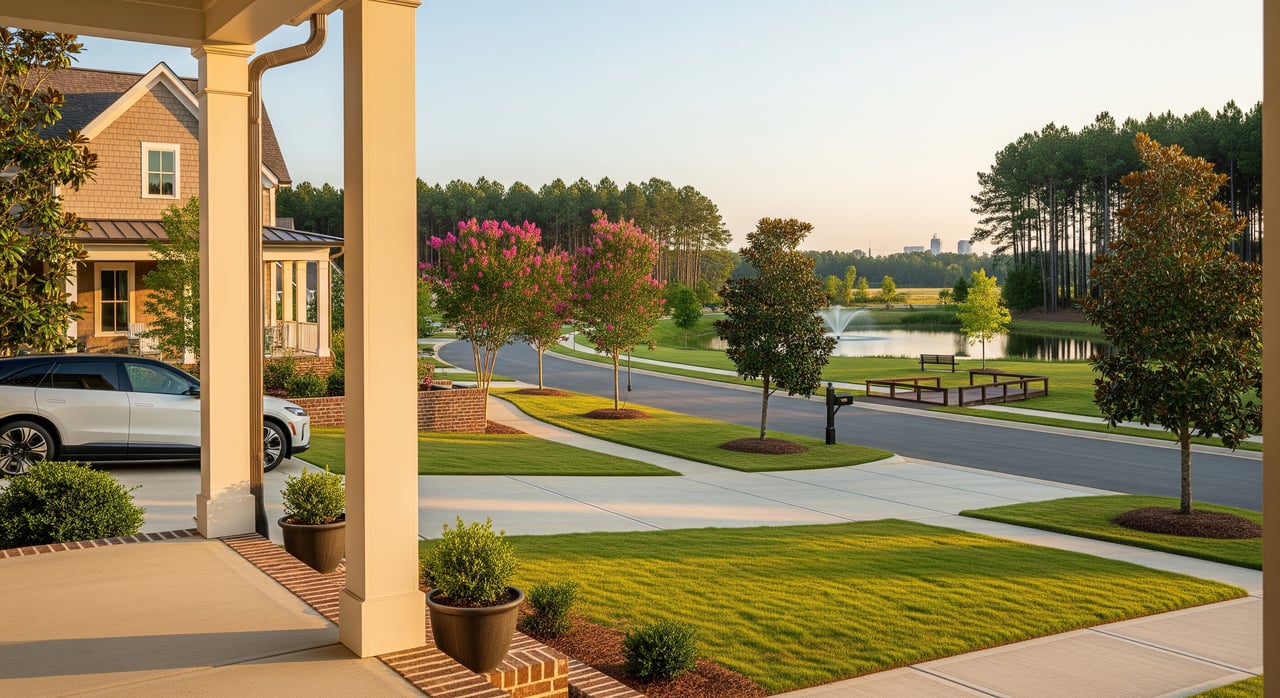
- Housing: Broad selection of newer subdivisions, townhomes, and single-family homes. Many master-planned communities with consistent amenities and design.
- Amenities: Large parks and greenways, everyday shopping, and a mix of local and national dining. Public safety resources are well-established.
- Schools: Served by Wake County Public School System. Always verify current assignment maps for a specific address.
- Lifestyle: A strong fit if you want suburban convenience and more predictable corridors toward RTP, especially from northern and central Cary.
Chapel Hill overview
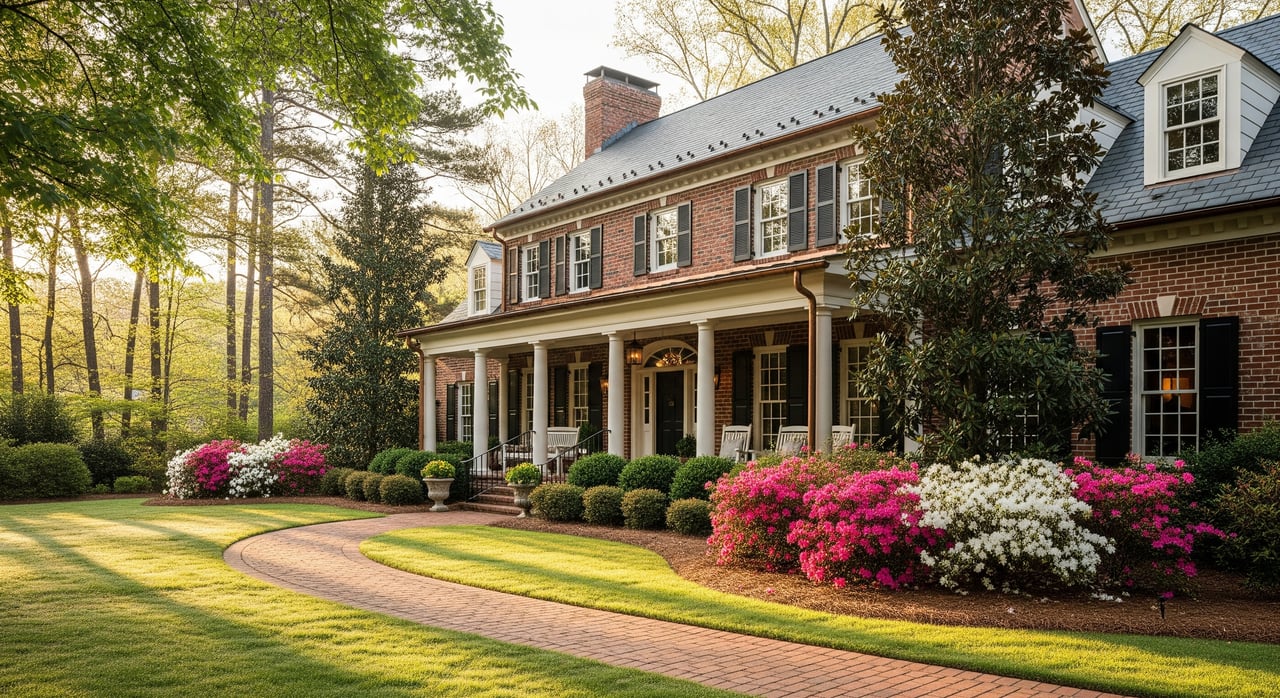
- Housing: Mix of historic homes, mid-century houses, bungalows, and newer infill near village centers like Southern Village and Meadowmont. Larger rental presence due to the university.
- Amenities: University arts and cultural events, a vibrant Franklin Street, medical facilities, and walkable mixed-use areas.
- Schools: Served by Chapel Hill-Carrboro City Schools. Confirm boundaries and options for your address.
- Lifestyle: A strong fit if you value walkability, university culture, and village-center living. Commutes can be longer from many origins but can be competitive from neighborhoods close to I-40 or NC-54.
Neighborhood picks for RTP commuters
These examples align with common commute patterns. Your best choice depends on your exact RTP destination and schedule.
- Cary, near I-40 and Morrisville: Northern and central Cary neighborhoods provide some of the shortest typical drives into many RTP areas. Consider locations with direct access to I-40 or Davis Drive connectors.
- Cary mixed-use nodes: Areas with walkable conveniences while keeping the commute manageable, such as nodes near major corridors.
- Southwest Cary: Larger lots and established communities for buyers who prioritize home and neighborhood characteristics over the very shortest commute.
- Chapel Hill, Meadowmont: A mixed-use village with relatively direct access toward I-40 and NC-54 for competitive drive times into RTP.
- Chapel Hill, Southern Village: Planned village living with access to NC-54 and routes toward I-40.
- Downtown Chapel Hill and Carrboro: Excellent walkability and cultural access. Plan for longer peak-hour drives unless you can travel off-peak or use regional transit.
Smart planning checklist
Use this list to pressure-test neighborhoods against your real commute and lifestyle needs.
- Identify your specific RTP building and most-used entrance.
- Test peak and off-peak drive times from short-listed neighborhoods.
- Ask your employer about shuttles, parking costs, flex hours, and telework options.
- Decide your acceptable daily drive-time range and how much variability you can tolerate.
- Prioritize lifestyle wants: walkability, parks, arts, dining, or newer-home features.
- Verify school assignment maps and any transportation plans if schools matter to you.
- Map your non-commute trips: grocery, healthcare, recreation, and kids’ activities.
- Consider park-and-ride or carpool options if they significantly reduce hassle.
Our take: Cary vs Chapel Hill for RTP
If you prize shorter, more predictable drive times to a range of RTP campuses, Cary usually offers the advantage, especially from northern and central neighborhoods with direct I-40 access. If your heart is set on Chapel Hill’s walkable centers and university energy, you can still keep a competitive commute by focusing on neighborhoods near I-40 and NC-54 such as Meadowmont and Southern Village.
The right choice comes down to your specific campus, your schedule, and the neighborhood that feels like home. A targeted search that balances commute and lifestyle will save you time and stress.
Ready to compare short-listed neighborhoods and pressure-test the commute? Reach out to our team to map routes, discuss transit and shuttles, and match you with the right community fit. Connect with Nook and Nest Realty Co. to get started today.
FAQs
How do commute times differ between Cary and Chapel Hill to RTP?
- In general, Cary offers shorter typical drive-time bands to many RTP locations, while Chapel Hill can be competitive from neighborhoods close to I-40 or NC-54.
What are the main routes from Chapel Hill to RTP?
- Common routes include US-15/501 to I-40 east or NC-54 east into Durham, then north toward RTP, with local connectors like Estes Drive and Meadowmont Lane.
When is RTP traffic the worst on I-40 and NC-54?
- Expect the largest slowdowns on weekday mornings heading into RTP from about 7:00–9:30 AM and evenings leaving RTP from about 4:00–6:30 PM.
Are there bus or shuttle options from Chapel Hill or Cary to RTP?
- Yes. GoTriangle provides regional service, local systems connect in each town, and many employers run shuttles or support park-and-ride options.
Can I bike to RTP from Cary or Chapel Hill?
- Biking can work from neighborhoods adjacent to RTP or connected by greenways. Many employers offer bike parking and showers. Longer distances are less practical for daily trips.
How should I compare neighborhoods if I work in north vs south RTP?
- Pinpoint your specific campus and entrance, then test peak and off-peak routes from short-listed neighborhoods. Travel direction and access points make a big difference.