Wondering how to get your Clayton home ready without overdoing it or missing something important? If you want a smoother sale, the goal is not to remodel everything. It is to make smart updates, present your home well online, and stay ahead of the details that can affect buyer confidence. Let’s dive in.
Why home prep matters in Clayton
Clayton continues to grow quickly, and that growth shapes what buyers pay attention to. U.S. Census Bureau data shows the town’s population estimate rose from 31,732 in July 2024 to 32,633 in July 2025, and the town’s long-range planning documents point to continued growth ahead.
In a market like this, strong presentation can help your home stand out. Redfin reports a median sale price of $349,791 in Clayton over the three months ending May 2026, with homes spending about 54 days on market, a 98.7% sale-to-list ratio, and 16.8% of homes selling above list price. That tells you buyers are active, but pricing and presentation still matter.
For many Clayton buyers, practical features may carry extra weight. Census data also shows a 62.7% owner-occupied housing rate, 26.2% of residents under 18, and a 31.1-minute median commute, which suggests that space, storage, and day-to-day convenience may be especially relevant when buyers compare homes.
Focus on first impressions
Before buyers notice square footage or finishes, they notice how your home feels at first glance. That starts outside and continues the moment someone walks through the front door.
The highest-impact prep items are often the simplest ones. The National Association of Realtors consumer staging guidance recommends a manicured landscape, a clean front-door mat, neutral paint touch-ups where needed, fresh towels and bedding, and closets that feel spacious rather than packed.
Boost curb appeal
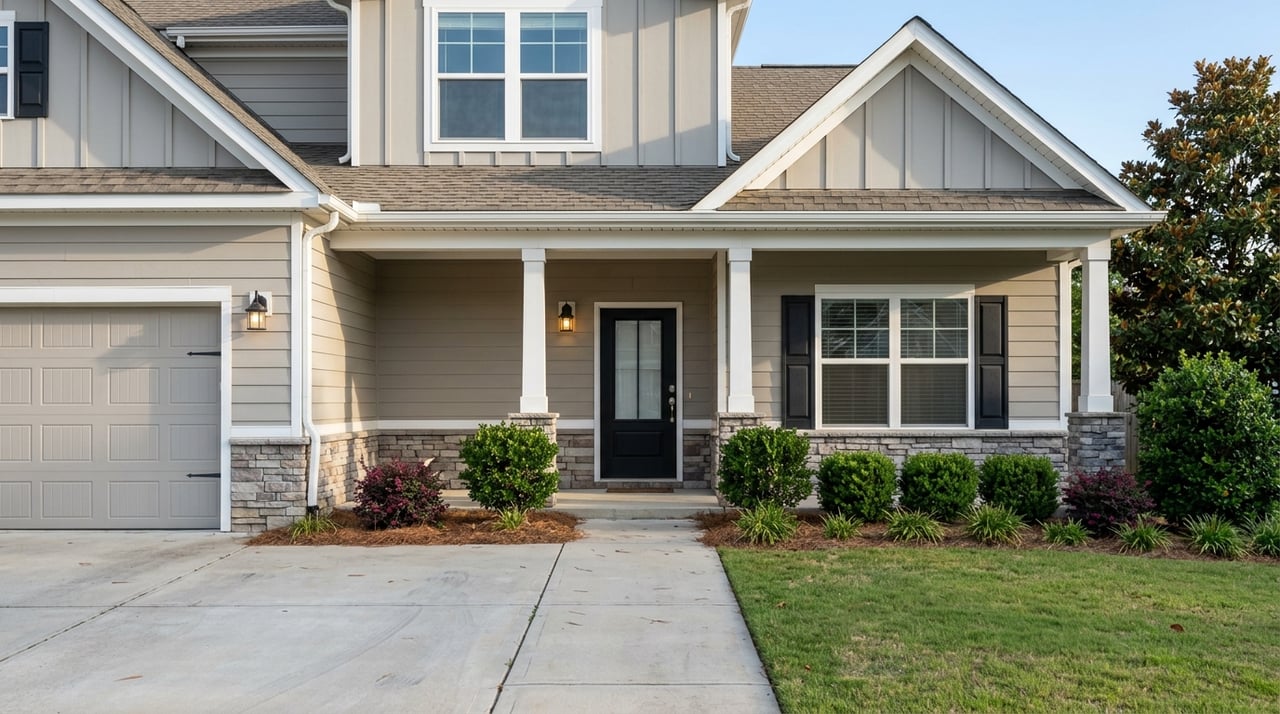
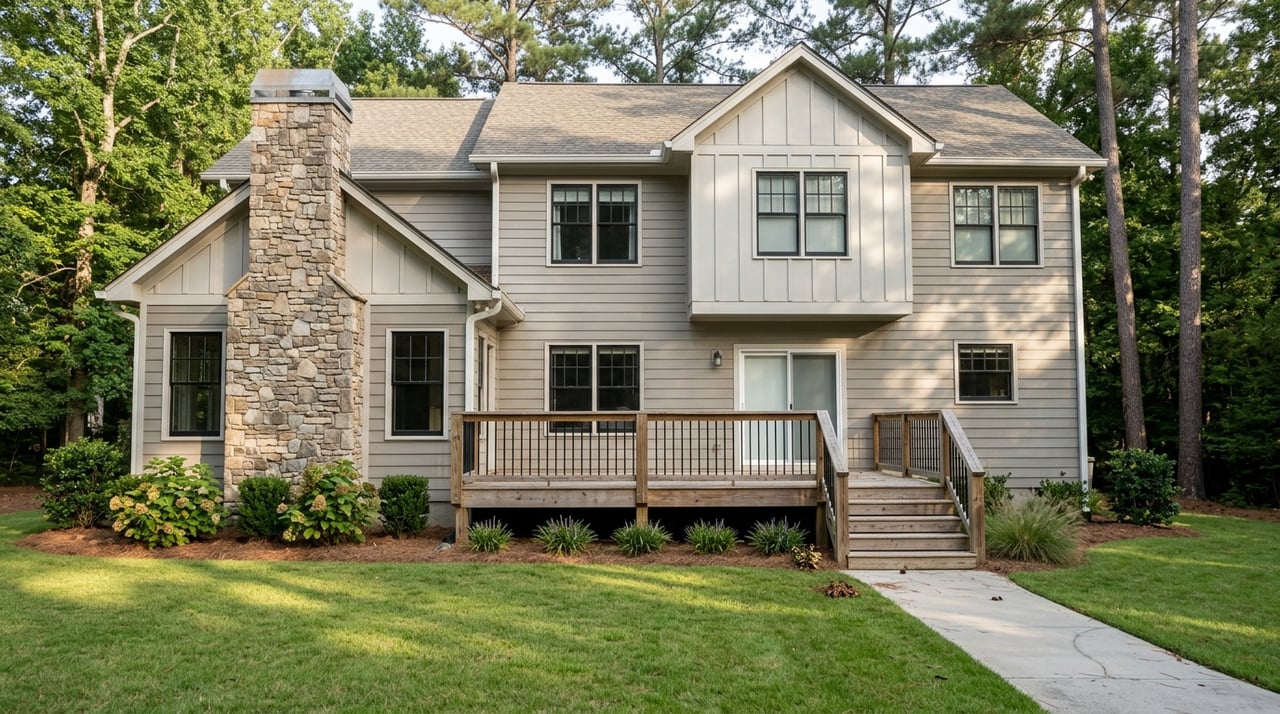
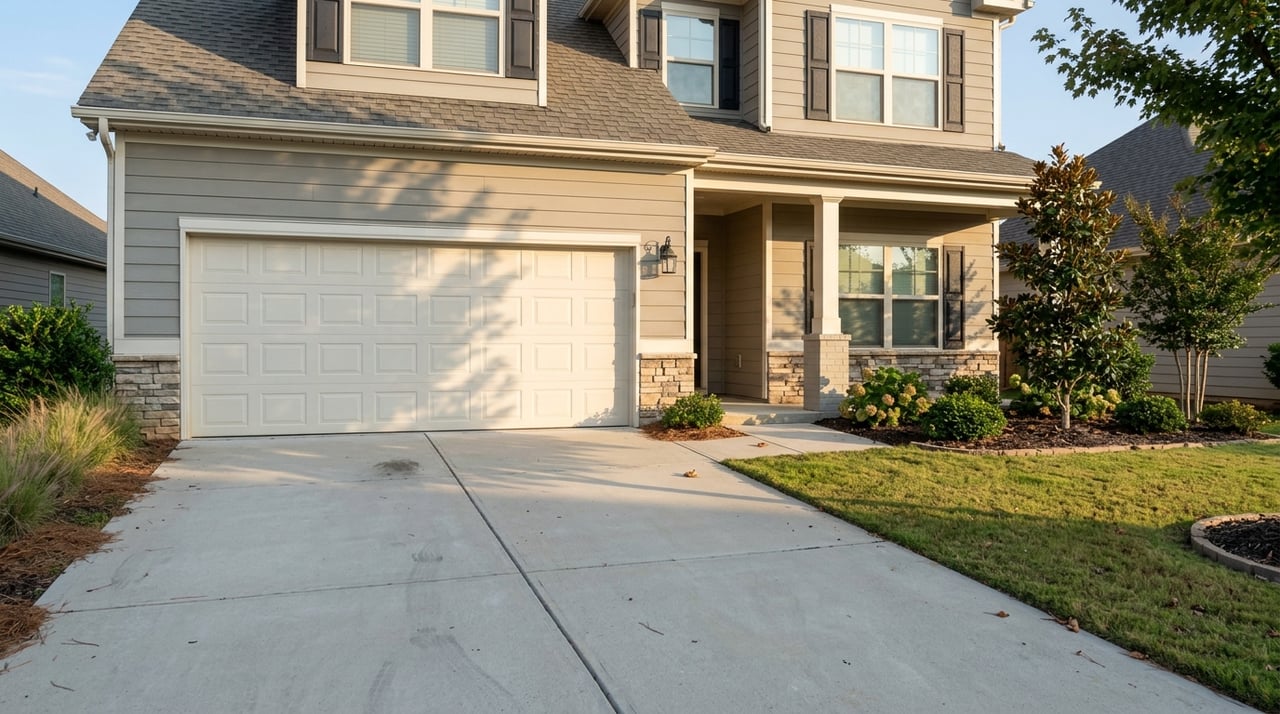
Your exterior sets the tone for every showing and every listing photo. A trimmed lawn, edged beds, swept porch, and tidy entry can make your home feel cared for before a buyer even steps inside.
Pay special attention to the front door area. Clean hardware, a neat mat, and a clutter-free porch can make a big difference in photos and in person.
Make rooms feel larger
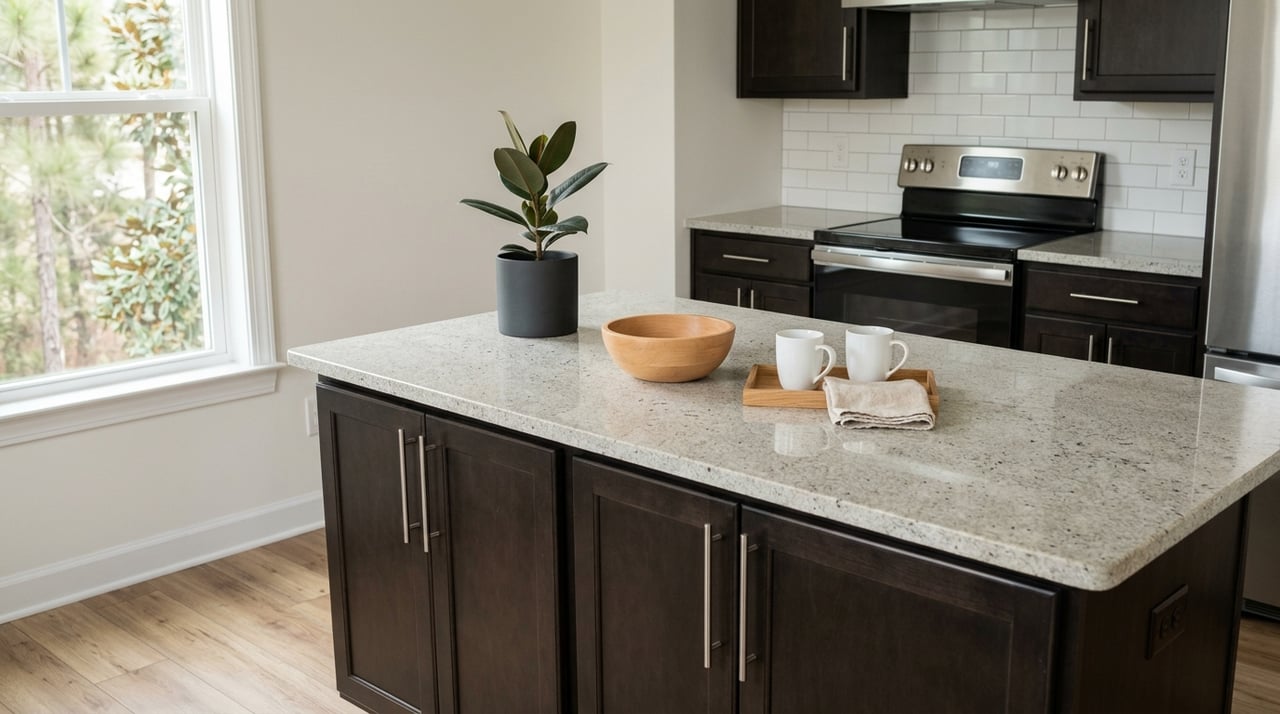
Inside, less is usually more. Removing oversized furniture, clearing surfaces, and thinning out closets can help buyers see the space instead of your stuff.
This matters because buyers often begin their search online. NAR reports that 81% of buyers rate listing photos as the most useful feature in their online search, and 52% found the home they purchased online.
Refresh, don’t renovate
You do not need to take on a major remodel to prepare for market. In many cases, paint touch-ups, deep cleaning, basic repairs, and simple staging moves offer more value than a large renovation project.
If you are deciding where to spend money, focus on what buyers will immediately notice. Clean lines, neutral spaces, and well-maintained basics usually do more to support a smooth sale than expensive upgrades right before listing.
Fix issues that affect buyer confidence
A smooth sale depends on more than looks. Buyers also want confidence that the home has been maintained and that important issues have been addressed honestly.
In North Carolina, sellers of covered residential property are generally required to complete a Residential Property Disclosure Statement. The disclosure topics include items such as the water supply, sanitary sewage disposal system, roof, foundation, plumbing, electrical, heating and cooling systems, wood-destroying insects, zoning, restrictive covenants, and environmental contamination.
Repair visible problem areas
If something is clearly not working, it is usually wise to deal with it early. Obvious electrical malfunctions, roof concerns, plumbing leaks, HVAC issues, and structural red flags can raise concern quickly during showings or inspections.
North Carolina Real Estate Commission guidance also makes clear that material facts matter. If an issue would matter to a reasonable buyer, it needs to be handled through repair, disclosure, or both.
Review flood and property details carefully
North Carolina’s revised disclosure form, in use since July 1, 2024, includes more detailed flooding-related questions. That means now is a good time to gather accurate information and review any history or conditions that may affect how you answer those items.
If something changes after you complete your disclosure and it makes your answers inaccurate, you are expected to promptly update the disclosure or correct the problem. Staying organized early can help you avoid stress later.
Check HOA information early
If your home is part of an owners’ association, gather those details before your listing goes live. North Carolina’s owners’ association disclosure covers information such as dues, assessments, pending lawsuits, and transfer fees.
This is one of those behind-the-scenes tasks that can slow a transaction if left until the last minute. Getting it together early helps you respond faster when a buyer is ready.
Know if lead-based paint rules apply
If your home was built before 1978, there is an additional federal disclosure requirement for lead-based paint. Sellers must disclose known information, provide available records, include the lead warning statement, and give buyers a 10-day opportunity to inspect or assess for lead hazards.
That does not mean there is automatically a problem. It simply means older homes require an extra compliance step during the sale process.
Follow a practical prep timeline
Most sellers benefit from starting 2 to 4 weeks before the listing launch. That window gives you enough time to make smart decisions without feeling rushed.
Two to four weeks before listing
Start with a full walkthrough of your home, inside and out. Look for maintenance issues, worn finishes, and anything that may come up in your disclosures.
This is also the time to gather paperwork and confirm details such as:
- roof information
- septic-related details, if applicable
- utility information
- HOA documents, if applicable
- records related to repairs or improvements
- any known issues that may affect your disclosure answers
If repairs are needed for the roof, plumbing, electrical, heating, cooling, or structural components, try to line those up early. These are the kinds of items North Carolina disclosure forms expect sellers to think through carefully.
About one week before listing
As launch gets closer, shift your focus to presentation. Deep cleaning, final decluttering, and light staging should take priority.
NAR staging guidance points to the living room, primary bedroom, dining room, and entry as especially important spaces. If you cannot do everything at once, start there.
Launch week
By the time your listing goes live, your home should already be photo-ready. The first few days on the market are especially important for online visibility, so waiting until the last minute can cost you momentum.
This is why professional photography is often one of the highest-value investments in the prep process. If buyers scroll past the photos, they may never schedule a showing.
Where professional help pays off
Not every task requires a pro, but a few services can make a meaningful difference in how smoothly your sale comes together.
Professional photography
Photos shape first impressions online. NAR says they often determine whether a buyer clicks on a listing or keeps scrolling, and the first photo helps set expectations for the whole property.
If you are serious about making a strong entrance in the Clayton market, this is usually not the place to cut corners.
Staging consultation
A full staging package is not always necessary, but a staging consult can be very helpful. NAR’s 2025 staging survey found that 83% of buyers’ agents said staging makes it easier for buyers to visualize the property as a future home.
That same survey also found that more than a quarter of real estate professionals said staging generated 1% to 10% more in offered value. Even modest guidance on furniture placement, decor removal, and room flow can improve how your home shows.
Handyman support
A handyman can be useful for visible, confidence-building fixes. Think loose hardware, scuffed walls, dripping faucets, damaged trim, sticky doors, or small exterior repairs.
This kind of work supports both presentation and trust. It can help your home feel well cared for without turning your prep plan into a full renovation project.
Keep the process calm and organized
Selling a home can feel emotional, especially if you have lived there for years. A clear plan helps you stay focused on what matters most: making it easy for buyers to see the value of your home and reducing avoidable issues during the transaction.
In Clayton, that means pairing clean presentation with realistic pricing, smart disclosures, and strong marketing from day one. When you prep with purpose, you give yourself a better chance at attracting serious buyers and moving through the sale with fewer surprises.
If you are thinking about selling in Clayton and want a practical plan tailored to your home, Se7en Realty Group can help you prepare, position, and market your property with local insight and hands-on support. Start with a free home valuation from Nook and Nest Realty Co..
FAQs
How long does it take to prepare a Clayton home for sale?
- A realistic prep window is often 2 to 4 weeks before listing, with early time spent on repairs and disclosures and the final week focused on cleaning, decluttering, and staging.
What should I fix before listing my Clayton home?
- Focus first on visible issues and key systems that affect buyer confidence, such as roof concerns, plumbing leaks, electrical problems, HVAC issues, and basic cosmetic wear.
Do I need to stage my Clayton home before selling?
- Full staging is not always necessary, but decluttering, removing oversized furniture, and improving key rooms like the living room, primary bedroom, dining room, and entry can help your home show better.
What disclosures are required when selling a home in North Carolina?
- For covered residential sales, North Carolina requires a Residential Property Disclosure Statement that addresses topics such as water, sewage, roof, foundation, plumbing, electrical, heating and cooling, and other material property conditions.
What utility details should Clayton sellers check before closing?
- Because the Town of Clayton operates its own electric, water, sewer, and irrigation utility systems, it is smart to confirm account transfer and final-bill logistics well before closing.